

 Español
 Português
 لالعربية
 Русский
 Bahasa Indonesia
 Français
 Türkçe
 Bahasa Melayu

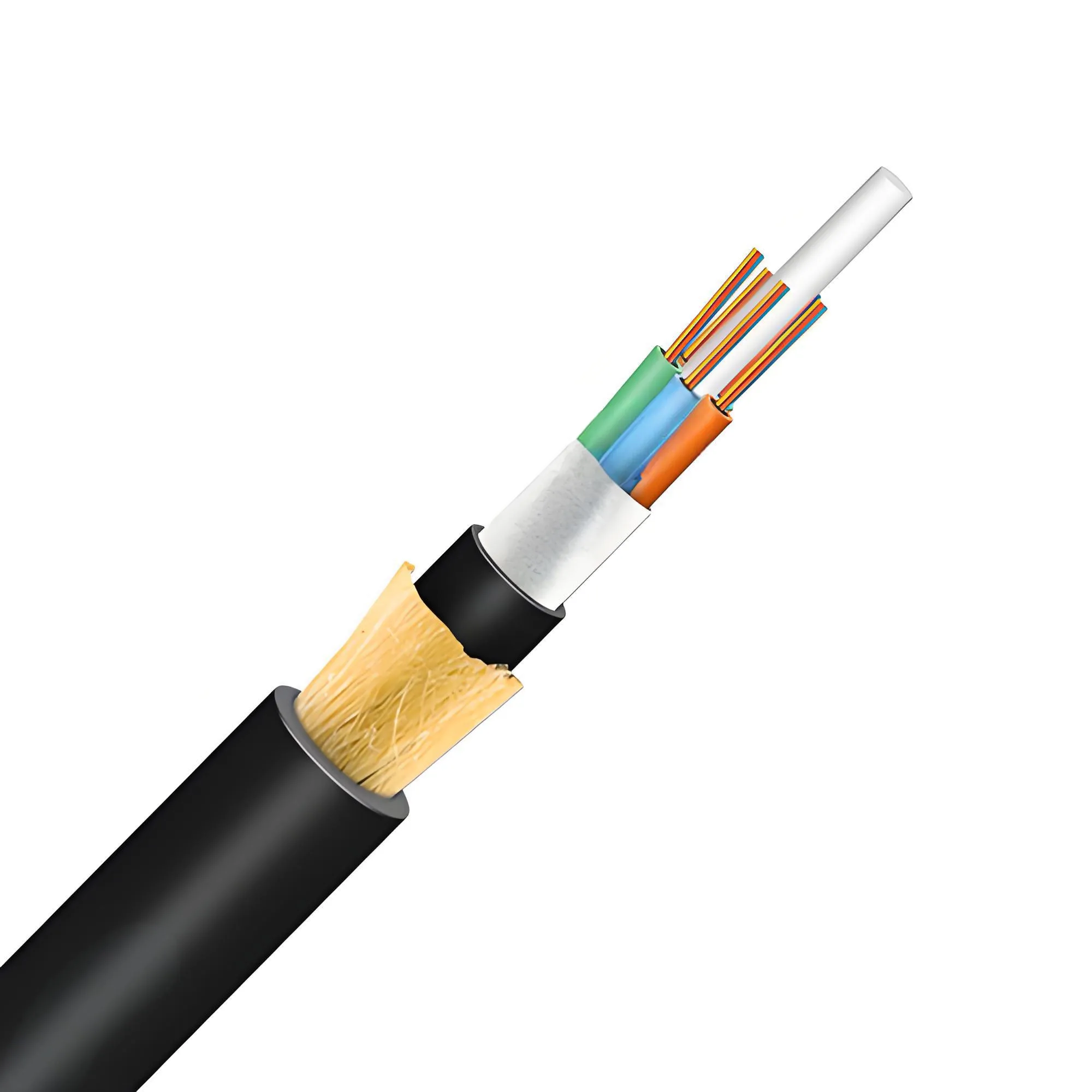
SM Fiber Optic Cable
With the explosive growth in global data demand, Single-Mode (SM) Fiber Optic Cables have become the preferred medium for modern communication backbones, Metropolitan Area Networks (MANs), and access networks. SM fiber’s characteristics of low loss, high bandwidth, and ultra-long transmission distance far surpass traditional multimode fiber and copper cables. For engineers and procurement professionals looking to deploy high-performance outdoor networks, understanding the latest SM fiber products and their correct installation methods is crucial.
This article, incorporating examples from your outdoor optical cable product series, provides a comprehensive SM cable selection and installation guide to help you make the best network investment decisions in 2025.
Outdoor SM(Single-Mode) Fiber Optic Cable Selection Guide
The outdoor environment imposes stringent demands on the cable's mechanical strength, weather resistance, and moisture protection. When procuring SM fiber optic cables, you must first determine the cable structure based on the actual application scenario, and then focus on the technical specifications.
Choosing Cable Structure Based on Deployment Environment
Your Outdoor Optical Cable Products offer four main structure types to meet various deployment needs:
Application Scenario | Recommended Product Type (e.g., YRTFIBER) | Structural Features and Advantages |
Long-Span Aerial/Power Line | Non-metallic structure for safe installation near high-voltage power lines; self-supporting, no messenger wire required; excellent tensile strength. | |
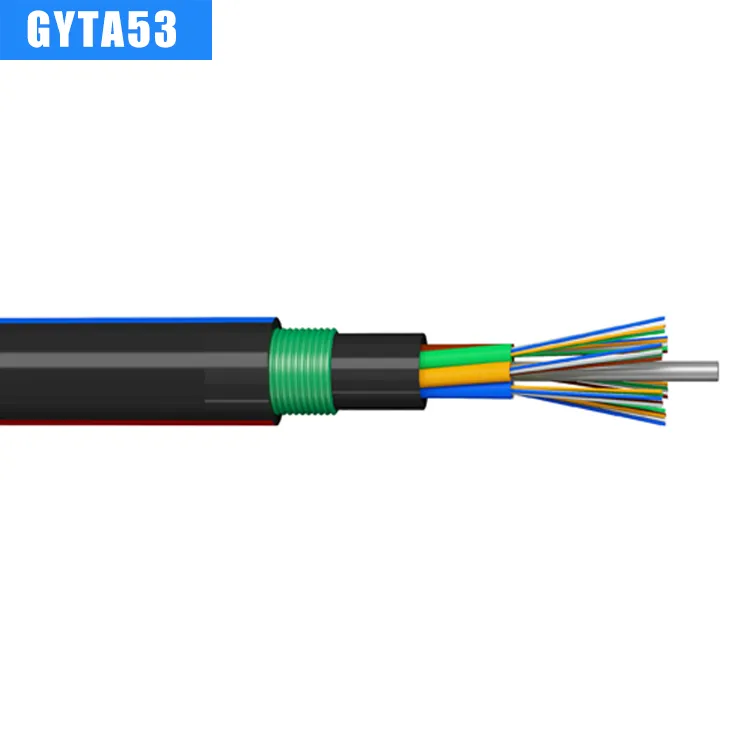
Duct / General Direct Burial | Loose tube design, filled with water-blocking gel, protected by steel tape or steel wire armor (GYTS/GYTA), providing good crush and rodent resistance. | |
Heavy-Load or Harsh Direct Burial | Double steel tape/steel wire armor with a thick PE jacket, offering extremely high crush and impact resistance, ensuring long-term reliability in complex soil conditions. | |
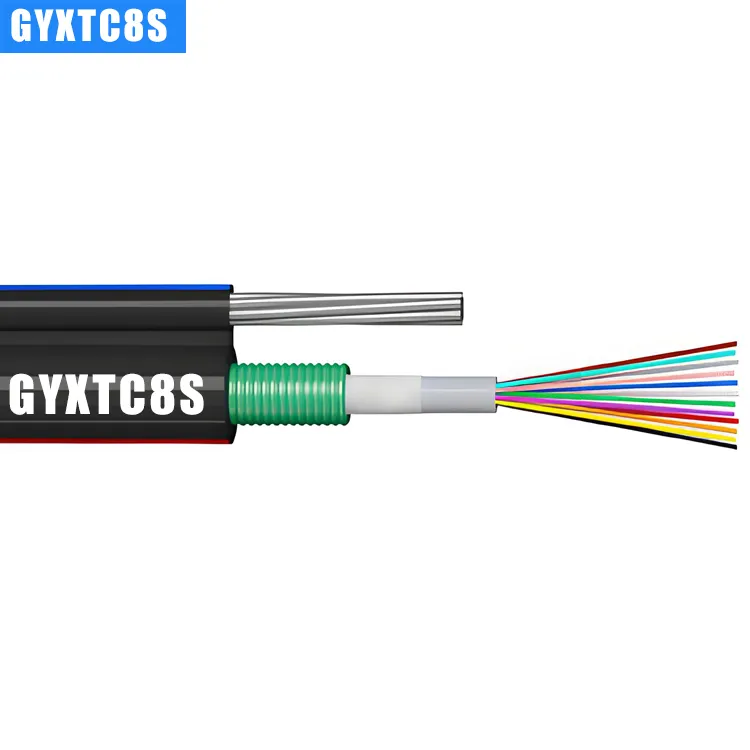
Short-Span / Building Access | Integrated steel messenger wire, forming a "Figure-8" shape; easy to install, saving fittings and labor costs, suitable for short aerial spans. |
Procurement Tip: The cost difference in outdoor fiber optic cables is primarily due to the level of armor and jacketing. Ensure you match the cable structure to your environmental risks (presence of rodents, long span requirements, soil hardness) to avoid unnecessary costs from over-protection or maintenance risks from under-protection.
Key Technical Specifications and Fiber Core Types
There are two primary types of single-mode fiber crucial for outdoor deployment:
1. G.652D Standard Single-Mode Fiber: The most widely used SM fiber, suitable for most long-distance transmission and backbone networks. Your GYTA, GYTS, and ADSS products typically support this type.
2. G.657 Bend-Insensitive Fiber: Allows for a smaller bending radius without causing significant signal loss. For FTTH (Fiber to the Home) or access network applications that require entry into buildings or complex routing within termination boxes, it is recommended to choose outdoor cables with G.657 cores, such as some Figure-8 or Mini ADSS products, to reduce installation difficulty and potential fault rates.
Other Specifications:
· Core Count: Select specifications ranging from 2 to 288 cores based on current and future reservation needs.
· Jacket Material: A black PE (Polyethylene) jacket offers excellent UV resistance and is the standard outdoor configuration. In tunnels or indoor/outdoor transition areas requiring flame retardancy, an LSZH (Low Smoke Zero Halogen) option may need to be considered.
Critical Protection Design for Outdoor Fiber Optic Cables
The lifespan of an outdoor cable depends on its ability to withstand various natural elements. A quality outdoor cable supplier (like YRTFIBER) implements rigorous design in the following areas:
1. Mechanical Protection and Rodent Resistance: Armor is the cable's "shield." Steel tape and steel wire armor not only provide superior crush resistance but also effectively deter gnawing by rodents found in the wild.
2. Water and Moisture Protection: The loose tube design allows the fibers to move loosely within the tube, resisting external stress. The gel or water-blocking compound filling the tubes, combined with water-swellable tape/yarn, effectively prevents moisture ingress and associated attenuation.
3. Temperature and Weather Resistance: High-quality outdoor cables must operate stably across an extremely wide temperature range (e.g., -40°C to +70°C). The PE outer jacket ensures long-lasting UV resistance and anti-aging performance under strong sunlight.
Best Practices for Efficient Single-Mode Cable Installation
Correct installation is key to ensuring cable performance and network longevity.
Pre-Installation Planning and Preparation
1. Route Survey and Span/Tension Calculation:
o ADSS Cables: Must be precisely engineered based on the installation area's wind speed, ice load, terrain, and pole-to-pole distance (span) to calculate the sag and tension. Incorrect calculations can lead to cable breakage or excessive stretching during extreme weather.
o Direct Burial Cables: Ensure the trench depth complies with local regulations and is free of sharp stones or debris. Consider using warning tape or protective conduit.
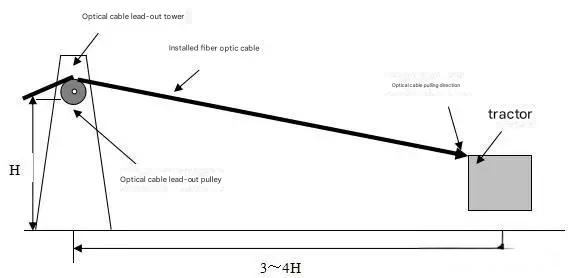
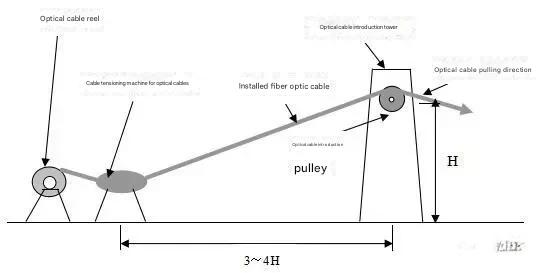
2. Tool Check: Prepare appropriate stringing pulleys, pulling grips, tension control equipment, fusion splicers, and an OTDR (Optical Time-Domain Reflectometer).
Laying and Splicing Essentials
1. Control Pulling Tension: During cable pulling and laying, the pulling force must be strictly controlled, especially for non-armored or lightly armored cables. Excessive instantaneous tension can permanently degrade fiber performance.
2. Avoid Excessive Bending:
o The bending radius of the cable at turns, manholes, and inside termination boxes should be greater than 20 times the cable's outer diameter (refer to specific specifications for splicing trays; G.657 allows for tighter bends).
o Even when using bend-insensitive G.657 fiber, follow installation codes to avoid unnecessary stress.
3. Splicing and Testing:
o Use a high-precision fusion splicer, ensuring the splicing loss for each core is below 0.02 dB.
o After splicing, the entire length of the cable must be tested bidirectionally using an OTDR to check for micro/macro bends, breaks, or high-loss splices. Record the test data as a benchmark for future maintenance.
Conclusion: Your 2025 Outdoor Fiber Strategy
Choosing SM fiber optic cable is not just selecting a transmission medium—it’s an investment in future network capacity. By adhering to the principle of "selecting the structure based on the environment, and the fiber type based on the application," you will be able to:
· Achieve High Reliability: Ensure the cable's long-term operation in harsh environments by choosing robust structures like GYTA33 or ADSS.
· Reduce Deployment Costs: Utilize the Figure-8 structure for simplified short-span aerial deployments.
· Secure Future Upgrades: Select high-quality G.652D or G.657 cores to lay the foundation for 100G/400G and even higher transmission rates.
As a professional supplier, YRTFIBER can provide comprehensive support—from cable selection and span calculation to OEM/ODM customization—ensuring your single-mode cable deployment is efficient and reliable.


