

 English
 Español
 Português
 لالعربية
 Русский
 Bahasa Indonesia
 Français
 Bahasa Melayu
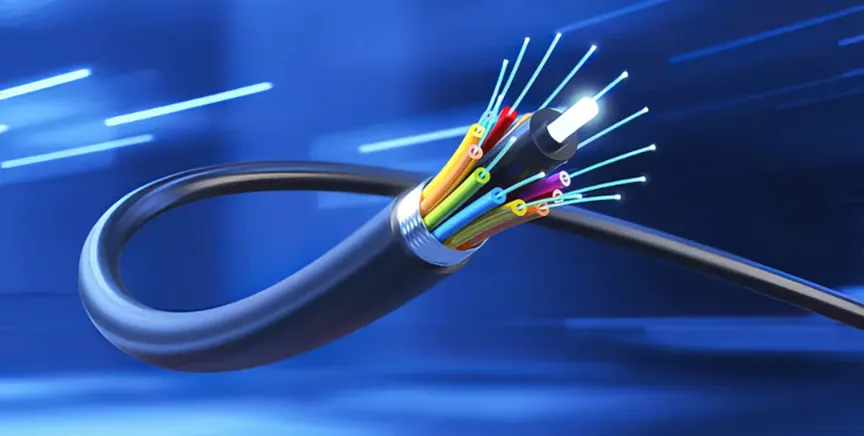
Fiber optik, iletişim ve veri iletimi için yaygın olarak kullanılmaktadır. Bir çekirdekteki çekirdek sayısı
fiber optic cable significantly influences its performance and determines its suitable applications. This article will explore the differences among single-core, dual-core, and multi-core fiber optic cables, along with their respective uses.
Tek çekirdekli
fiber optic cable utilize a single strand of glass fiber and are predominantly used for long-distance communication. Their simple structure allows for straightforward installation and management, while also making them one of the most cost-effective options to manufacture. Thanks to their high bandwidth and low signal attenuation, they are ideally suited for telecommunications networks, ISP backbones, and point-to-point data center connections.
3 ila 12 çekirdeği tek bir kabloda birleştirerek, çok çekirdekli lifler, veri aktarım hızlarında ve kapasitesinde önemli bir artış sağlar. Bu tasarım, eşzamanlı çok kanallı veri akışını destekler, ağ verimliliğini artırır ve gelecekteki kolay genişlemeyi sağlar. Ağırlıklı olarak veri merkezleri, bulut bilgi işlem platformları, yüksek performanslı bilgi işlem (HPC) ve modern telekomünikasyon altyapısı gibi yüksek talep gören ortamlarda kullanılırlar.
Uygun olanı seçmek
fiber optic cable—be it single-core, dual-core, or multi-core—is a decision dictated by specific application requirements. To summarize, single-core excels in cost-effective long-distance links, dual-core provides valuable redundancy and bidirectional flexibility, while multi-core delivers maximum capacity for data-intensive environments. A clear understanding of these distinctions is key to making a strategic investment that ensures both optimal performance and future scalability, whether you are upgrading an existing network or deploying a new one.


