

 English
 Español
 Português
 لالعربية
 Русский
 Bahasa Indonesia
 Français
 Bahasa Melayu

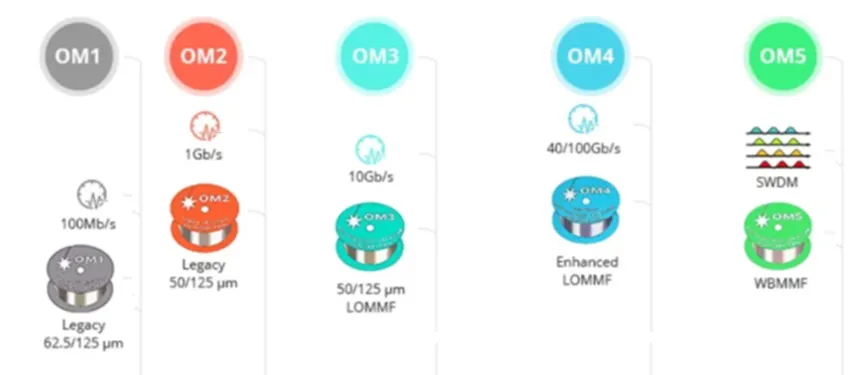
Çok modlu fiber, kısa mesafeli iletim için kullanılan bir fiber türüdür ve genellikle kampüs ağlarında, kurumsal LAN 'larda ve veri merkezlerinde bulunur. Şu anda piyasada bulunan beş tür çok modlu fiber, her biri değişen veri iletim özelliklerine sahip OM1, OM2, OM3, OM4 ve OM5' tir. Pek çok farklı çok çok modlu fiber türü ile, seçimden bunalmış mısınız? Bu makale, OM1, OM2, OM3, OM4 ve OM5 lifleri arasındaki farklılıklara odaklanacaktır. Bu makaleyi okuduktan sonra çok modlu fiber için seçim sürecini daha net anlayacağınıza inanıyoruz.
Çok modlu fiber türleri ve farklılıkları
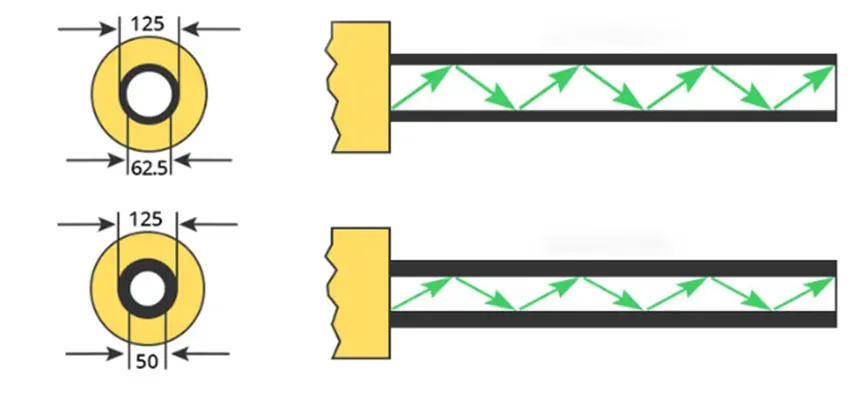
Tek modlu optik fiber ile karşılaştırıldığında, çok modlu optik fiber, genellikle 50μm veya 62.5μm daha büyük bir çekirdek çapına sahiptir ve çoklu optik mod yayılımını destekler. ISO 11810 standardına göre, çok modlu optik fiber, OM1, OM2, OM3, OM4 ve OM5 optik liflerine ayrılmıştır.
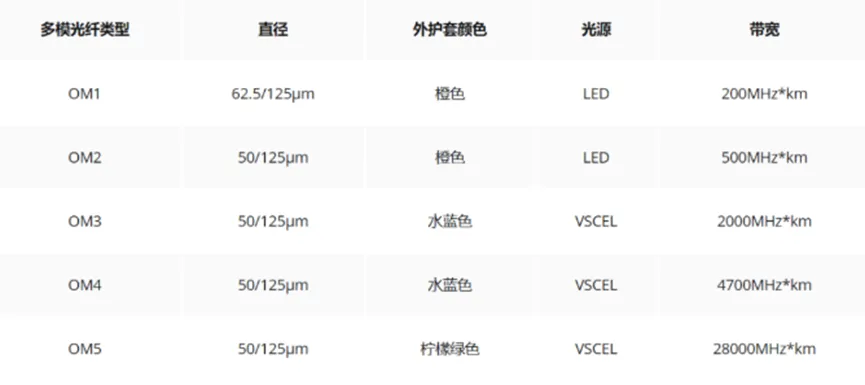
OM1 fiber, 850 / 1300nm tam enjeksiyon penceresine ve 200 /500MHz.km veya daha yüksek bant genişliğine sahip çok modlu fiber anlamına gelir. Bir LED ışık kaynağı kullanır, 62.5um çekirdek çapına sahiptir ve tipik olarak turuncu kaplıdır. 10 Gb / sn 'nin altındaki ethernet hızları için kullanılabilir ve en yaygın olarak 100M ethernette kullanılır. Daha büyük çekirdek çapı nedeniyle, OM1 fiber daha güçlü ışık toplama özelliklerine sahiptir ve bükülmeye karşı daha dirençlidir.
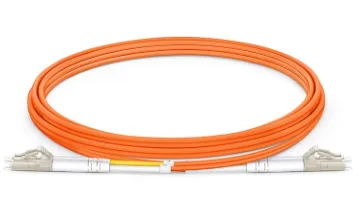
OM2 fiber, 850 / 1300nm tam enjeksiyon penceresine ve 500 /500MHz.km veya daha fazla bant genişliğine sahip çok modlu fiber anlamına gelir. Bir LED ışık kaynağı kullanır, çekirdek çapı 50um 'dir ve tipik olarak turuncu kaplıdır. 10 Gb / sn' ye kadar olan ethernet hizmetleri için kullanılabilir ve en yaygın olarak Gigabit ethernette kullanılır. OM1 fiber ile karşılaştırıldığında, OM2 fiber daha küçük bir çekirdek çapına sahiptir, bu da çok modlu fiberin modal dağılımını etkili bir şekilde azaltır, bu da artan bant genişliğine ve üretim maliyetlerinde üçte bir düşüşe neden olur.
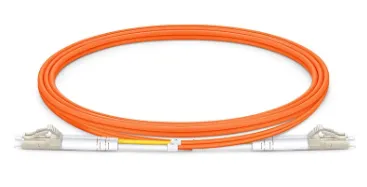
OM3 fiber, lazerle optimize edilmiş çok modlu bir elyaftır. 850nm VCSEL lazer kaynağı kullanır, çekirdek çapı 50um ve su mavisi bir dış kılıfa sahiptir. 100Gb / sn 'nin altındaki ethernet iletim hızları için kullanılabilir ve en yaygın olarak 10GbE' de kullanılır. OM1 ve OM2 fiber ile karşılaştırıldığında, OM3 daha yüksek iletim hızları ve bant genişliği sunar ve bu nedenle optimize edilmiş çok modlu fiber veya 10GbE çok modlu fiber olarak da bilinir.
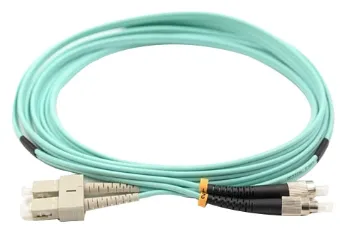
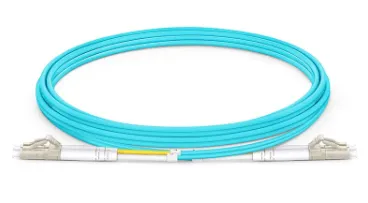
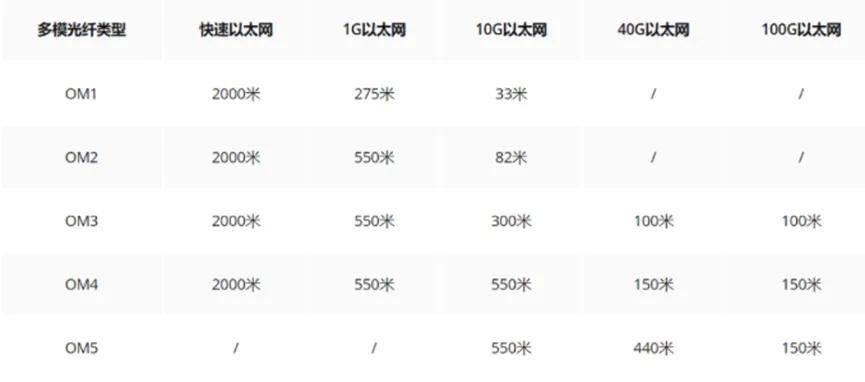
4. OM4 fiber, üstün performans sunan, OM3 çok modlu fiber 'in yükseltilmiş bir versiyonudur. Örneğin, OM4 fiber, OM3 fiber' in etkili bant genişliğinin iki katından fazlasını sunar ve OM3 fiber ile uyumludur. Dış kılıfı aqua mavidir. 10 Gb / sn 'yi aşan ethernet ağlarında, OM4 fiber, 400 metreye kadar ulaşan OM3 fiberinden daha uzağa iletebilir.
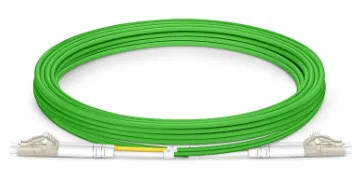
5. OM5 lifi, OM4 lifi ile uyumlu, yeni piyasaya sürülen geniş bantlı çok modlu bir liftir. Çekirdek çapı OM2 / OM3 / OM4 lifi (50um) ile aynıdır ve dış kılıfı limon yeşilidir.
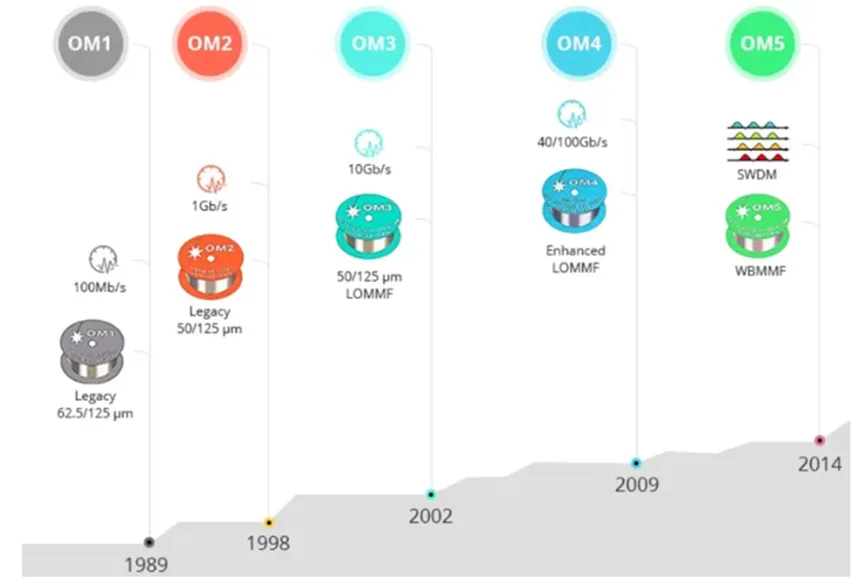
Özetle, OM1, OM2, OM3, OM4 ve OM5 çok modlu optik lifler arasındaki en büyük fark, fizik ve uygulamadaki farklılıklarda yatmaktadır.
1. Fiziksel farklılıklar
Farklı çok modlu optik lifler, aşağıdaki tabloda gösterildiği gibi, esas olarak çap, dış kılıf rengi, ışık kaynağı ve bant genişliği olarak yansıtılan farklı fiziksel farklılıklara sahiptir:
2. Uygulama Farklılıkları
Farklı çok modlu optik lifler, farklı ethernet ağlarında kullanılır ve aşağıdaki tabloda gösterildiği gibi farklı maksimum iletim mesafelerini destekler:
Çok Modlu Fiberin Geliştirme Trendleri ve Uygulamaları
Yüksek hızlı ağ uygulamalarının talepleriyle hareket eden çok modlu fiber, düşük kayıp, yüksek bant genişliği ve çok dalga boylu çoğullamaya doğru gelişiyor. Fiber teknolojisinin sürekli gelişmesiyle, çok modlu fiber, orijinal OM1 fiberinden 40 / 100G ağlarını destekleyen mevcut OM5 fibere dönüşerek daha da iyi performans sunuyor.
Bugün, OM1 ve OM2 çok modlu fiber öncelikle bilgisayar odalarındaki 1G ethernet bağlantıları için kullanılırken, OM3 ve OM4 çok modlu fiber öncelikle 10G / 40G veri merkezi fiber kabloları için kullanılır. OM5 çok modlu fiber, 40G / 100G yüksek hızlı ethernet bağlantı iletimi için uygundur. OM1 / OM2 / OM3 / OM4 çok modlu fiber ile karşılaştırıldığında, OM5 çok modlu fiber, daha küçük bir fiber sayısıyla daha yüksek hızlı ağ iletimini destekleyen daha fazla ölçeklenebilirlik ve esneklik sunar. Maliyeti ve güç tüketimi, tek modlu fiber 'inkinden önemli ölçüde daha düşüktür. Bu, OM5 çok modlu elyafın gelecekte ultra büyük 100G / 400G / 1T veri merkezlerinde yaygın olarak kullanılacağını göstermektedir.
Çok Modlu Fiber hakkında SSS
1. Çok modlu fiber ve tek modlu fiber arasındaki fark nedir?
Çekirdek çapı: Çok modlu fiber, daha büyük bir çekirdek çapına (tipik olarak 50/62.5 ) sahiptir ve birden fazla ışık modunu iletebilir. Tek modlu fiber, daha küçük bir çekirdek çapına (tipik olarak 9 um) sahiptir ve yalnızca bir ışık modunu iletebilir.
Bandwidth : Tek modlu fiber bant genişliği genellikle çok modlu fiber bant genişliğinden daha yüksektir ve 100.000 Ghz 'ye kadar çıkabilir.
Işık kaynağı: Çok modlu optik fiber genellikle LED ışık kaynağı kullanırken, tek modlu optik fiber genellikle lazer ışık kaynağı kullanır.
Distance : Çok modlu fiber, kısa mesafeli uygulamalar için uygundur ve maksimum iletim mesafesi genellikle 550 metreye ulaşabilir.
Maliyet: Çok modlu fiber genellikle tek modlu fibere göre daha ucuzdur.
2. Çok modlu fiber optik konektör türleri
Şu anda, yaygın çok modlu fiber optik konektörler (yani konektörler) ST, SC, FC, LC, MU, E2000, MTRJ, SMA, DIN ve MTP & MPO 'yu içerir. ST, SC, FC, LC ve MTP / MPO, en yaygın kullanılan fiber optik konektör tipleridir. Bu beş tür fiber optik konektör, farklı avantajlara, dezavantajlara ve işlevlere sahiptir. Peki, aralarındaki farklar nelerdir? Aşağıdaki tablo, yüksük boyutu, ekleme kaybı ve diğer yönler açısından ST, SC, FC, LC ve MTP / MPO çok modlu fiber konektörler arasındaki farkları listeler:
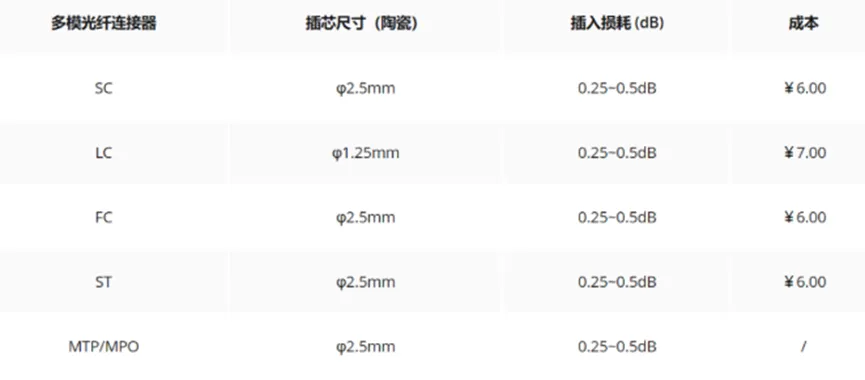
Not: Yüksük, fiber optik konektör tapasındaki tam olarak hizalanmış silindirik elemandır ve merkezinde optik lifi sabitlemek için mikroskobik bir delik vardır. Kullanılan malzemeye bağlı olarak, yüksük seramik, cam, plastik veya metal olarak kategorize edilebilir.
3. Çok modlu lifin avantajları
Tek modlu fiber, bant genişliği ve iletim mesafesi açısından avantajlara sahip olsa da, çok modlu fiber, çoğu iç mekan uygulamasının ve veri merkezinin iletim mesafesi gereksinimlerini destekleyebilir ve kurulum ve bakım maliyetleri tek modlu fibere göre çok daha düşüktür. Ayrıca, çok modlu fiber, aşağıda açıklandığı gibi bazı önemli avantajlara sahiptir:
A kayıpsız, parazitsiz, çok kullanıcılı omurga ağı: Çok modlu fiber 'in en büyük özelliği, aynı bağlantı üzerinde aynı anda birden fazla optik sinyal taşıma yeteneğidir. Daha da önemlisi, optik sinyal gücü neredeyse kayıpsızdır. Bu nedenle, ağ kullanıcıları çok modlu bir fiber yama kablosu üzerinden aynı anda birden fazla veri paketi gönderebilir ve tüm bilgiler, herhangi bir müdahale olmadan ve bozulmadan güvenli bir şekilde hedefine iletilir.
Çoklu protokol desteği: Çok modlu fiber, ethernet, InfiniBand ve internet protokolü dahil olmak üzere çeşitli veri aktarım protokollerini destekler. Bu nedenle, çok modlu fiber, temel uygulamaları uygulamanın temeli olarak kabul edilir.
4. Çok modlu optik fiber tek modlu olarak kullanılabilir mi?
Hayır, çok modlu optik fiber büyük dağılım ve kayba sahip olduğundan, optik sinyaller çok modlu optik fiber üzerinde uzun mesafeler boyunca iletilemez.


