

 Español
 Português
 لالعربية
 Русский
 Bahasa Indonesia
 Français
 Türkçe
 Bahasa Melayu
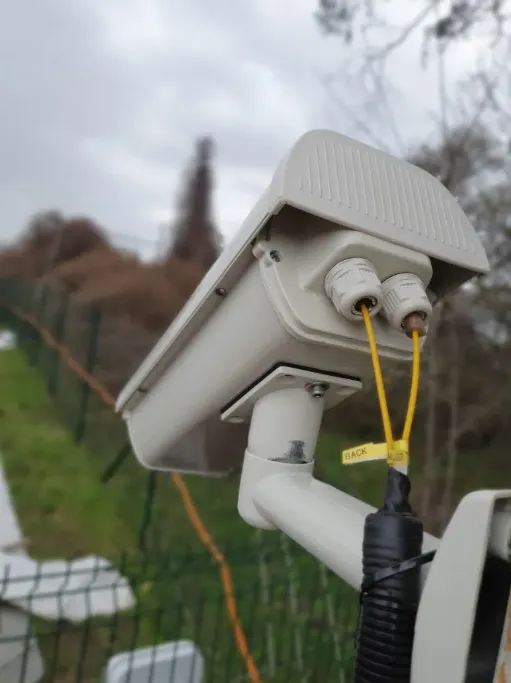
In today's security landscape, reliable and high-performance surveillance systems are essential for protecting properties, assets, and people. Among the advanced technologies available, fiber optic solutions stand out as a game-changer for security camera installations. This comprehensive guide explores fiber optic technology for security cameras (fibra optica para camaras de seguridad), covering its benefits, applications, and why it's becoming the preferred choice for modern surveillance needs.
Understanding Fiber Optic Technology for Security Cameras
What is fiber optic cable?
Fiber optic cable is a sophisticated transmission medium that uses light signals through glass or plastic fibers to carry data over long distances. Unlike traditional copper-based cables, fiber optics offer superior performance in terms of speed, bandwidth, and immunity to interference.
How Fiber Optic Works in Security Systems
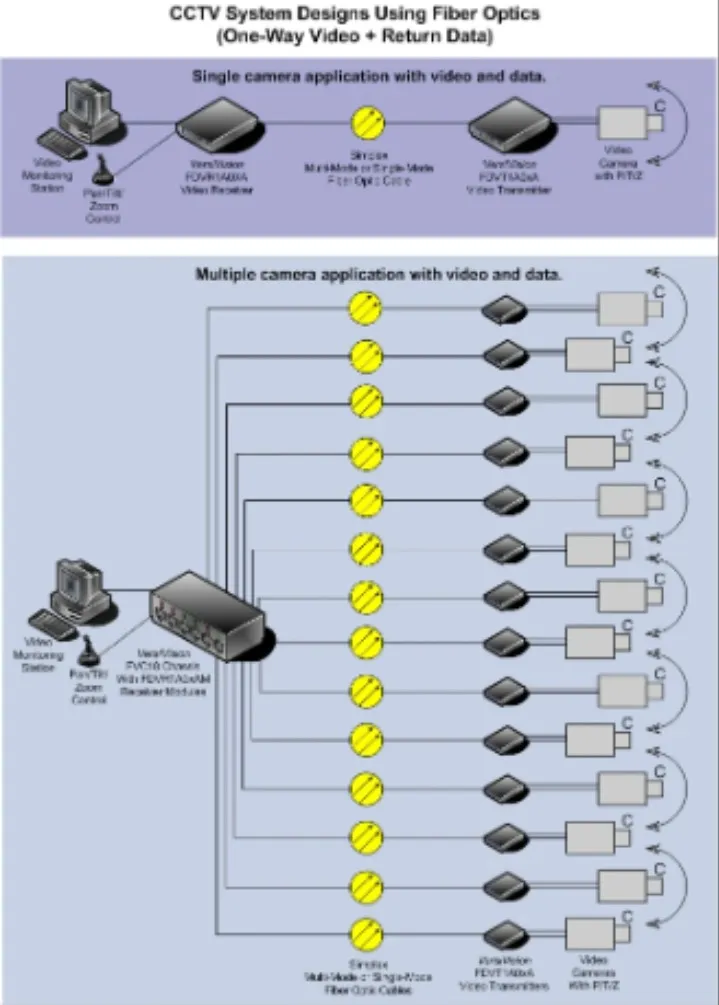
In security camera applications, fiber optic cables transmit high-resolution video signals from cameras to monitoring stations or recording devices. The light-based transmission ensures:
Minimal signal loss over long distances
High-speed data transfer
Clear video quality even in challenging environments
Key Benefits of Fiber Optica Para Camaras de Seguridad
Long-Distance Transmission Without Degradation
One of the most significant advantages of fiber optic security systems is their ability to maintain video quality over extended distances. Traditional copper cables often suffer from signal attenuation over long runs, requiring repeaters or signal boosters. Fiber optics can transmit signals over kilometers without any noticeable quality loss.
Immunity to Electromagnetic Interference
Fiber optic cables are immune to electromagnetic interference (EMI) and radio frequency interference (RFI), making them ideal for installation in:
Industrial environments with heavy machinery
Areas near power substations
Locations with high-voltage equipment
Transportation hubs with numerous electronic devices
This immunity ensures crystal-clear video transmission even in electrically noisy environments where traditional copper cables would fail.
Enhanced Security Against Unauthorized Access
Fiber optic systems provide superior security against tapping or unauthorized access. Unlike copper cables that can be easily tapped, fiber optic cables are extremely difficult to intercept without detection. Any attempt to tap into the fiber would cause noticeable disruptions in the light signal, alerting security personnel to potential breaches.
High Bandwidth Capacity for Multiple Cameras
Modern security systems often require multiple high-resolution cameras to cover large areas effectively. Fiber optic cables offer the bandwidth capacity to support numerous camera feeds over a single cable, eliminating the need for extensive wiring infrastructure. This feature is particularly valuable for:
Large-scale industrial facilities
Extensive campus environments
Comprehensive city-wide surveillance systems
Durability in Harsh Environments
Fiber optic cables are non-metallic and resistant to corrosion, making them suitable for installation in:
Chemical plants
Coastal areas with saltwater exposure
Underground environments
Extreme temperature conditions
Their durability ensures long-term reliability even in challenging outdoor conditions.
Types of Fiber Optic Security Cameras
Dome Cameras
Fiber optic dome cameras are enclosed in dome-shaped housings that provide excellent protection against dust, moisture, and vandalism. These cameras offer:
Discreet monitoring capabilities
Wide field of view coverage
Weatherproof designs for outdoor use
High-resolution imaging options
Ideal for both indoor and outdoor installations, dome cameras provide comprehensive surveillance with minimal visual impact.
Bullet Cameras
Fiber optic bullet cameras are designed for long-range monitoring and are typically used in outdoor environments where long-distance viewing is essential. Features include:
Enhanced zoom capabilities
Weather-resistant construction
Night vision functionality
Vandal-proof designs
These cameras are perfect for perimeter security, parking lots, and large open spaces.
PTZ Cameras
Fiber optic PTZ (Pan-Tilt-Zoom) cameras offer dynamic surveillance capabilities with remote-controlled movement and zoom functions. Key advantages:
360-degree coverage capability
High-speed tracking of moving objects
Long-range zoom functionality
Integration with advanced analytics
PTZ cameras are particularly valuable for monitoring large areas where active tracking is necessary.
Industrial Applications of Fiber Optica Para Camaras de Seguridad
Oil and Gas Industry
In oil refineries and gas processing plants, fiber optic security systems provide reliable monitoring in hazardous environments where traditional copper cables would fail due to:
Extreme temperatures
High-voltage equipment
Chemical exposure
Explosion risks
Power Plants
Electrical substations and power generation facilities benefit from fiber optic surveillance due to:
Immunity to electromagnetic interference from high-voltage equipment
Long-distance transmission capabilities for large facilities
Enhanced security against unauthorized access
Transportation Hubs
Airports, train stations, and bus terminals utilize fiber optic security systems for:
Comprehensive coverage of large areas
High-resolution video for facial recognition and license plate reading
Reliable operation in electrically noisy environments
Manufacturing Facilities
Industrial plants with heavy machinery and robotic systems implement fiber optic surveillance to:
Monitor production lines without interference
Ensure safety in hazardous areas
Provide high-quality video for quality control purposes
Installation Considerations for Fiber Optic Security Systems
Professional Installation Requirements
While fiber optic technology offers numerous advantages, it requires professional installation due to:
Specialized splicing and termination techniques
Need for precise alignment of fiber connections
Requirement for proper testing equipment
Expertise in handling delicate fiber strands
Cost Considerations
Initial installation costs for fiber optic systems may be higher than traditional copper-based systems, but these costs are offset by:
Long-term reliability and durability
Reduced maintenance requirements
Lower total cost of ownership over time
Future-proofing against technological advancements
Future-Proofing Your Security System
Investing in fiber optic technology ensures your security system remains relevant as:
Video resolutions continue to increase
Bandwidth requirements grow with more advanced analytics
Integration with smart city infrastructure becomes more prevalent
Summarize
Fiber optic technology for security cameras (fibra optica para camaras de seguridad) represents the forefront of modern surveillance solutions. With its unmatched ability to transmit high-resolution video over long distances without degradation, immunity to electromagnetic interference, enhanced security against tapping, and suitability for harsh industrial environments, fiber optic systems are transforming security surveillance across various industries.
As security requirements continue to evolve with increasing demands for higher resolutions, larger coverage areas, and more advanced analytics, fiber optic technology provides a future-proof solution that will remain relevant for years to come. Whether for industrial applications, transportation hubs, or large-scale commercial installations, fiber optic security systems offer superior performance and reliability compared to traditional copper-based alternatives.


