1. What is the main advantage of GYTZA compared to GYTS or GYTA cables?
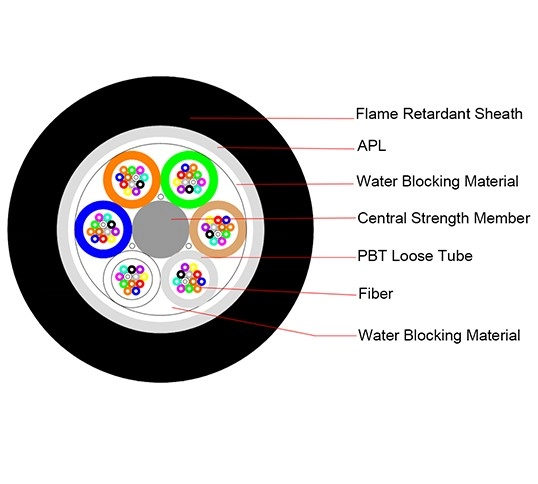
The key feature of GYTZA is its flame-retardant outer sheath, making it ideal for environments where fire resistance is required—such as industrial parks, tunnels, metro systems, or building-to-building outdoor links. While GYTS/GYTA focus on mechanical protection, GYTZA adds fire safety compliance.
2. Is this cable suitable for underground or duct installation?
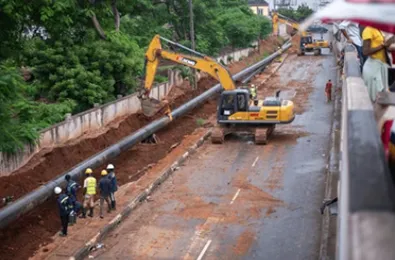
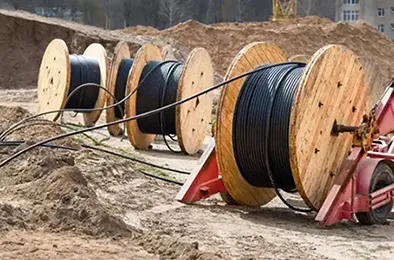
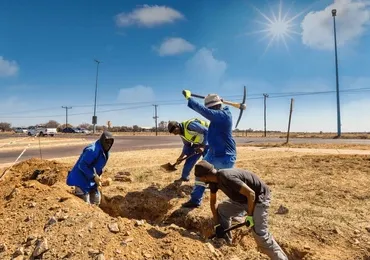
Yes. GYTZA is designed for outdoor duct, trench, or conduit-based installations. Its stranded loose tube and water-blocking structure protect the fibers from moisture and mechanical stress.
3. What fiber specifications are available?
This cable supports G.652D (standard SMF) and G.655 (non-zero dispersion-shifted fiber) in configurations from 2 to 144 cores, allowing flexibility for metro, access, and backbone deployments.
4. Does the flame-retardant feature affect durability or flexibility?
No. The flame-retardant sheath maintains high resistance to UV, mechanical stress, and temperature, while complying with IEC 60332 or equivalent fire safety standards. It ensures long service life even under outdoor exposure.
5. What industries or projects typically use GYTZA cables?
GYTZA is commonly used in:
Industrial or petrochemical zones
Power plants and substations
Metro and transportation tunnels
Telecom backbone networks requiring fire-rated cables


 English
 Português
 لالعربية
 Русский
 Bahasa Indonesia
 Français
 Türkçe
 Bahasa Melayu